

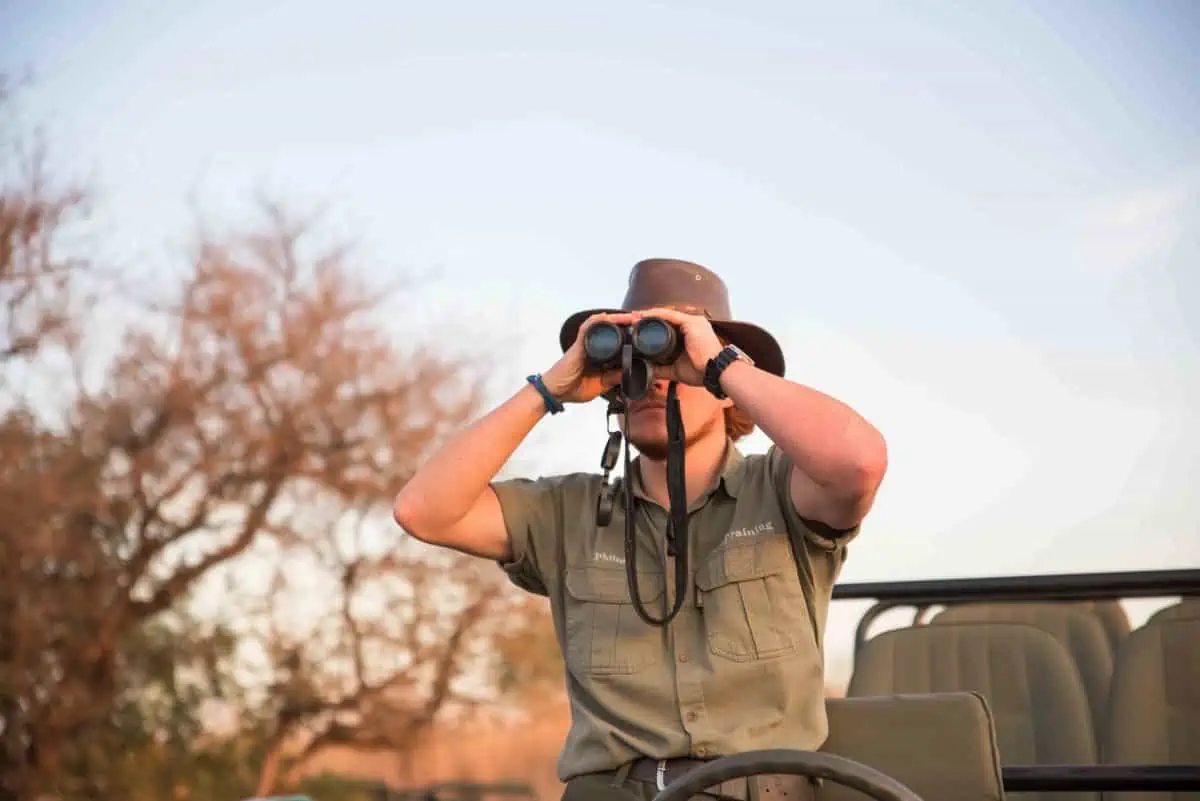
On World Ranger Day, the Game Rangers’ Association of Africa (GRAA) joins the global conservation community in honouring the courage, sacrifice and dedication of wildlife rangers under this year’s theme: Rangers: Guardians of a Changing Planet.
Across Africa, rangers stand on the frontline of conservation every day, protecting wildlife, safeguarding ecosystems, supporting communities and responding to an ever-growing range of threats. As climate change, organised wildlife crime, armed conflict and increasing human-wildlife interactions place immense pressure on protected areas, the role of rangers has never been more important – or more dangerous.
Today, we remember the 78 African rangers who lost their lives in the line of duty over the past year. Globally, the International Ranger Federation (IRF) has recorded 147 on-duty ranger deaths across 40 countries, a sobering reminder that protecting nature remains one of the world’s most dangerous professions.
Most concerning is that 45% of all ranger deaths recorded in Africa were the result of homicide, making deliberate violence the leading cause of death for African rangers. These figures reflect the increasingly hostile environments in which many rangers operate and the urgent need to better equip, protect and support those who protect our natural heritage.
Four years after the murder of ranger Anton Mzimba, justice has yet to be served. Anton’s story represents a wider reality across Africa: too many attacks on rangers go unpunished, reinforcing why those on the frontlines need greater protection, support and accountability.
World Ranger Day is about remembrance, but it must also be about responsibility.
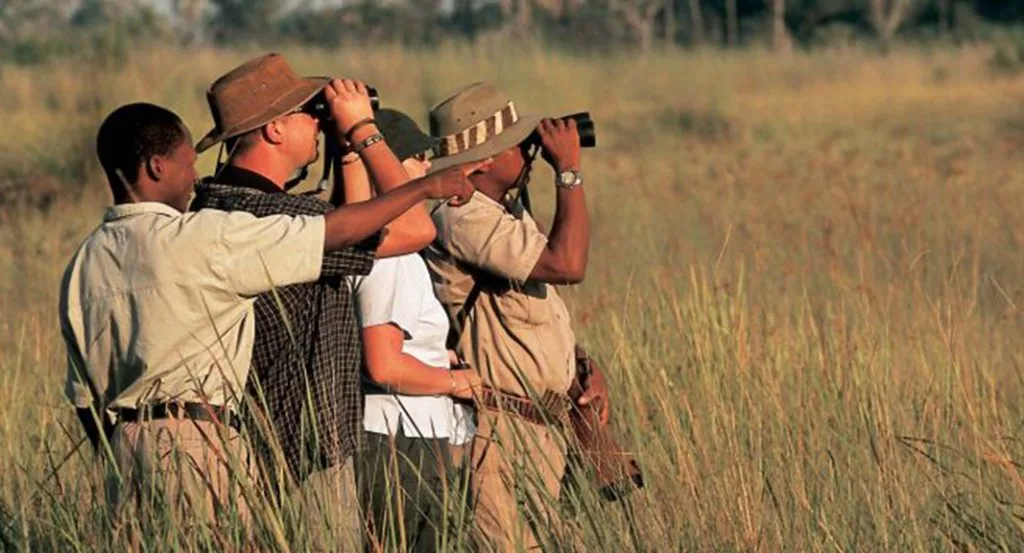
If society expects rangers to stand on the frontline against biodiversity loss, climate change, environmental crime and growing security threats, then we must stand behind them.
Supporting rangers means far more than recognising their sacrifice. It means ensuring they return home safely to their families by providing fair remuneration, safe and hygienic living conditions, adequate support on patrol, quality equipment, professional standards, leadership development, appropriate insurance, and the physical and mental health support and long-term investment in their wellbeing.
Ranger welfare is not an optional extra; it is fundamental to effective conservation.
Through the Ranger Welfare and Standards Initiative, and our RangerProtect, we continue to advocate for a minimum standard of on-duty protection for every ranger in Africa. Considering the risks rangers face daily, every ranger should have access to death, disability and emergency support that provides assurance and security when the worst happens.
At the same time, GRAA is advancing a more holistic vision of ranger wellbeing. Physical safety alone is not enough. Rangers working in remote, high-risk and emotionally demanding environments require support for their mental, physical and emotional health if they are to remain resilient, effective and capable throughout their careers.
As threats evolve, so too must the way we support those protecting our planet.
This year, GRAA reached a significant milestone in the professionalisation of Africa’s ranger workforce with the launch of the Ranger Training Guidelines, establishing a continent-wide framework for consistent, appropriate and high-quality ranger training and development.
Investment in rangers must be driven by frontline realities, not just funding priorities. Rangers know the challenges they face and the support they need to work safely and effectively. Conservation outcomes improve when investment is shaped by their experience and directed where it is needed most.
Recognition also remains a powerful form of support.
Through the African Conservation Awards, GRAA celebrates the extraordinary achievements, professionalism and leadership of Africa’s rangers, shining a light on individuals whose dedication often goes unseen despite their immense contribution to conservation and society.
“Every day, Africa’s rangers sacrifice so much to protect our wildlife, ecosystems and communities. Yet too many continue to do this work without the protection, support and recognition they deserve. World Ranger Day reminds us that behind every conservation success story is a ranger. If we truly value nature, we must value those who protect it. Because when we invest in rangers, we strengthen conservation. And when conservation succeeds, both people and nature thrive, for generations to come.” Louise de Bruin, Chief Executive Officer, Game Rangers’ Association of Africa.
On this World Ranger Day, GRAA calls on governments, donors, conservation organisations, the private sector and the public to stand with Africa’s rangers, not only in words, but through meaningful investment in their safety, welfare, professional development and recognition.